Water Resource Management
- Construction of sand dams water pans, and earth dams.
- Rainwater harvesting from roofs and catchments.
- Borehole drilling and solar-powered water pumping.
- Efficient irrigation systems such as drip irrigation.
Soil and water conservation
- Terracing and contour farming.
- Mulching to reduce evaporation.
- Planting cover crops.
- Gully rehabilitation.
- Stone bunds and check dams to reduce runoff and erosion.
Afforestation and reforestation
Activities include:
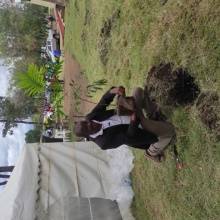
- Planting drought-tolerant species such as Acacia, Melia volkensii, and indigenous shrubs.
- Restoring degraded rangelands.
- Community-led tree nurseries.
- Farmer-Managed Natural Regeneration (FMNR).
These practices improve soil fertility, reduce erosion, and increase carbon storage.
Sustainable grazing management
- Rotational grazing.
- Controlled stocking rates.
- Reseeding degraded rangelands.
- Protection of grazing reserves.
- Community grazing plans. Integrated landscape management has shown improvements in rangeland health and local governance in several Kenyan ASAL counties.
Renewable energy
- Solar-powered water pumps.
- Solar lighting systems.
- Biogas for households and institutions.
- Improved cookstoves that reduce firewood consumption.
These reduce pressure on forests and lower greenhouse gas emissions.
Biodiversity conservation
- Protection of wildlife corridors.
- Community conservancies.
- Restoration of wetlands and riverbanks.
- Conservation of indigenous plant species.